The Science of Comfort Food: Why We Crave What We Crave
Ever wonder why you reach for khichdi when sick or ice cream when sad? The science behind comfort food cravings reveals fascinating connections between food, memory, and emotion.
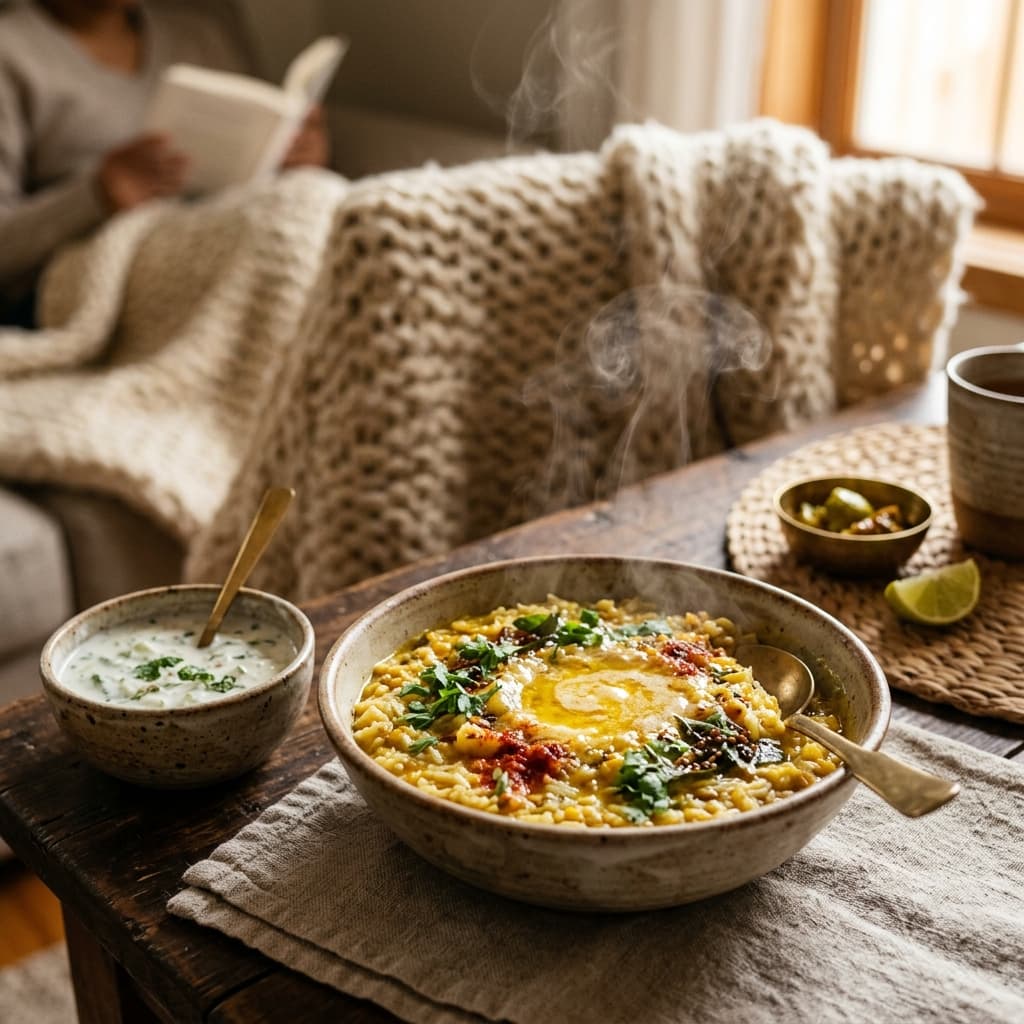
When you're sick, you want khichdi. When you're sad, you want ice cream. When it rains, you want pakoras. Comfort food cravings aren't random — they're deeply wired into your brain.
What Makes Food "Comforting"?
Comfort food isn't defined by taste alone. It's a combination of flavour, memory, texture, and emotional association. A study published in Psychological Science found that comfort food is strongly linked to feelings of belonging and social connection.
In other words, your mom's dal chawal isn't comforting because it's the best dal in the world. It's comforting because it reminds you of home, safety, and love.
The Brain Science Behind Cravings
When you eat comfort food, your brain releases serotonin and dopamine — the "feel-good" neurotransmitters. Here's how it works:
- Carbs boost serotonin — This is why you crave rice, bread, and pasta when stressed. Carbohydrates help the amino acid tryptophan reach your brain, where it converts to serotonin.
- Fat activates reward centres — High-fat foods light up the same brain regions as addictive substances. That's why butter chicken feels so rewarding.
- Sugar provides instant energy — When stressed, your body demands quick fuel. Sugar delivers it fastest, which is why sweets are the go-to stress food.
- Warm foods soothe — Warm foods literally raise your body temperature, which studies show creates feelings of social comfort and connection.
India's Greatest Comfort Foods (And Why They Work)
Khichdi — The Original Comfort Meal
Rice + dal + ghee + minimal spices. It's easy to digest, warm, and deeply nostalgic. Every Indian grew up eating khichdi when sick — and that memory association makes it comforting even when you're perfectly healthy. The simplicity is the point.
Maggi — The Millennial Comfort
Two minutes of cooking, a lifetime of memories. Hostel nights, rainy evenings, late-night study sessions — Maggi is India's most democratic comfort food. The salt, MSG, and quick carbs hit every comfort button your brain has.
Dal Chawal — The Warm Hug
Simple toor dal, steamed rice, a blob of ghee. It's the meal that says "everything will be okay." The combination of carbs, protein, and fat in perfect proportions makes it both nutritionally complete and emotionally satisfying.
Chai — More Than a Drink
Indian chai isn't just tea — it's a ritual. The warmth, the spices, the act of sitting and sipping. Chai comfort comes from the routine as much as the taste. Studies show that warm beverages increase feelings of interpersonal warmth.
Pakoras on a Rainy Day
The sizzle of besan-coated vegetables hitting hot oil when it's pouring outside. This is a sensory-driven craving — the sound of rain creates a desire for contrasting warm, crunchy food. Find pakora recipes →
Comfort Food vs. Emotional Eating
There's an important difference:
- Comfort food = Eating something that makes you feel good, with awareness. A bowl of khichdi when you're under the weather.
- Emotional eating = Using food to suppress emotions you don't want to feel. Eating a whole pizza to avoid dealing with stress.
Comfort food is healthy in moderation. The key is mindfulness — enjoy the food, savour it, and know why you're eating it.
Making Comfort Food Healthier
You don't have to give up comfort food. Just make smarter versions:
- Maggi → Ragi noodles with real vegetables and an egg. Same vibes, more nutrition.
- Pakoras → Air-fried pakoras — 70% less oil, still crunchy.
- Ice cream → Frozen banana "nice cream" — Blend frozen bananas with cocoa. Creamy, sweet, zero guilt.
- Butter chicken → Grilled chicken tikka with a yogurt-based sauce. All the flavour, less fat.
- Fried samosa → Baked samosa — Brush with oil and bake at 200°C. Still crispy.
Comfort Food Around the World
Every culture has its own version:
- Japan — Ramen, rice porridge (okayu), miso soup
- Italy — Pasta al pomodoro, risotto, pizza margherita
- Korea — Kimchi jjigae, ramyeon, tteokbokki
- USA — Mac and cheese, grilled cheese sandwich, chicken noodle soup
- Mexico — Pozole, tamales, churros
Notice the pattern? Warm, carb-heavy, simply prepared. Comfort is universal.
Embrace the Comfort
Comfort food exists for a reason. It's not weakness — it's human. The next time you reach for that bowl of khichdi or cup of chai, know that your brain is doing exactly what it's designed to do: seeking warmth, safety, and connection through food.
Craving something comforting right now? Let What 2 Eat's Surprise Me suggest the perfect comfort meal based on your mood. 🫖✨
Frequently Asked Questions
Why do we crave comfort food when stressed?+
What is India's most popular comfort food?+
Is eating comfort food bad for health?+
Keep Reading
What Should I Eat Today? 50 Meal Ideas for Every Mood
Wondering what to eat today? Explore 50 delicious meal ideas for every mood, including healthy meals, comfort food, quick dinners, rainy-day snacks, and indulgent treats.
Food & LifestyleWhat to Eat When You Can't Decide: A Complete Guide
Struggling with meal decision fatigue? Here's a science-backed guide to choosing what to eat — whether you're cooking at home or ordering in.